
Exploring the World of Tabletop Games
Tabletop games have long been a source of entertainment, bringing friends and families together around the table for a session of strategy, luck, and creativity. With the surge in popularity for various gaming platforms, the traditional tabletop game has found its niche, offering a unique experience that stands apart from digital counterparts.
The Rise in Popularity
In recent years, there's been a noticeable resurgence in the enthusiasm for tabletop games. The reasons are myriad; the analog nature of these games allows for face-to-face interaction, and the tactile experience of handling game pieces and boards offers something that digital formats cannot. Moreover, the vast array of genres, from strategy to role-playing, ensures there is something for everyone.
Variety Across Genres
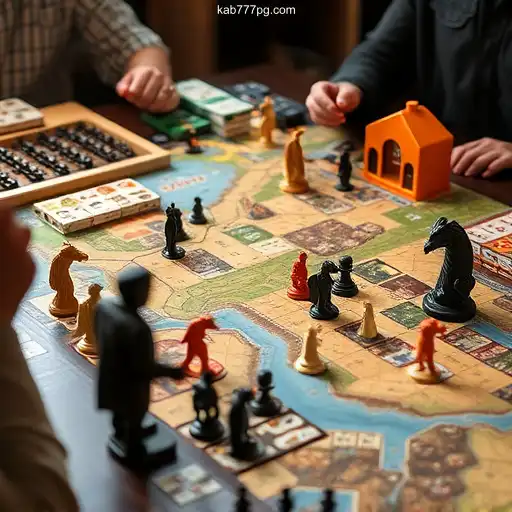
One of the most appealing aspects of tabletop games is the diverse range of options available. From classic games like Chess and Go to modern staples like Catan and Gloomhaven, these games provide endless opportunities for engaging gameplay. Strategy games, cooperative games, and party games each offer distinct experiences, challenging players in different ways and promoting collaboration or competition as the central theme.
Diving into Strategy Games
Strategy games have played a pivotal role in the tabletop landscape. They require players to plan several moves ahead, think critically, and adapt to unforeseen developments. Games like Risk, with its focus on global domination, or Catan, centered around resource management, teach players to weigh their options and make decisions that balance risk and reward.
The Appeal of Cooperative Games
Unlike traditional competitive games, cooperative games cast players in a shared mission against the game's mechanics. Titles like Pandemic, where players work to stop global disease outbreaks, have become increasingly popular. These games often foster a sense of camaraderie, as success depends on the collaboration and strategic planning of the entire group.
Historical Influence
Tabletop games also offer an opportunity to explore historical themes and scenarios. Games like Axis & Allies and Twilight Struggle recreate historical battles and geopolitical conflicts, allowing players to immerse themselves in the tactics and strategies that shaped historical outcomes. This educational aspect adds a layer of depth, appealing to both history enthusiasts and strategists alike.
Digital Integration and Evolution
The digital age has also influenced how tabletop games are developed and played. Online platforms such as kab777.com Descubra o Melhor dos Jogos Online Brasileiros Hoje Mesmo 👉kab777, provide an avenue for players to experience tabletop gaming in a virtual environment. These platforms often replicate the in-person experience, allowing friends from around the world to connect and play.
Additionally, the integration of apps and digital components in physical games has brought about a hybrid form of gameplay. Apps may act as game masters in role-playing games or offer additional layers of content and strategy in traditional games. This evolution has captured the interest of tech-savvy players, bridging the gap between traditional and modern gaming landscapes.
The Social Aspect
The social aspect of tabletop games cannot be understated. They offer an opportunity for players to gather, disconnect from the digital world, and engage in direct interaction. During these sessions, players often develop better communication skills, improve their ability to work as part of a team, and even form lasting friendships.
Events and conventions dedicated to tabletop games further accentuate this social element. These gatherings, such as board game conventions and local meetup nights, allow enthusiasts to share their love for various games, discover new favorites, and cultivate a community centered around shared interests.
Conclusion
In the evolving landscape of gaming, tabletop games continue to hold their own, offering an irreplaceable experience that digital games cannot duplicate. As players delve into the myriad of available games, they're met with opportunities for strategic thinking, cooperation, and social interaction. Whether it's gathering around a table with family or joining a dedicated online community, the future of tabletop games shines brightly, promising creativity and connection for years to come.